

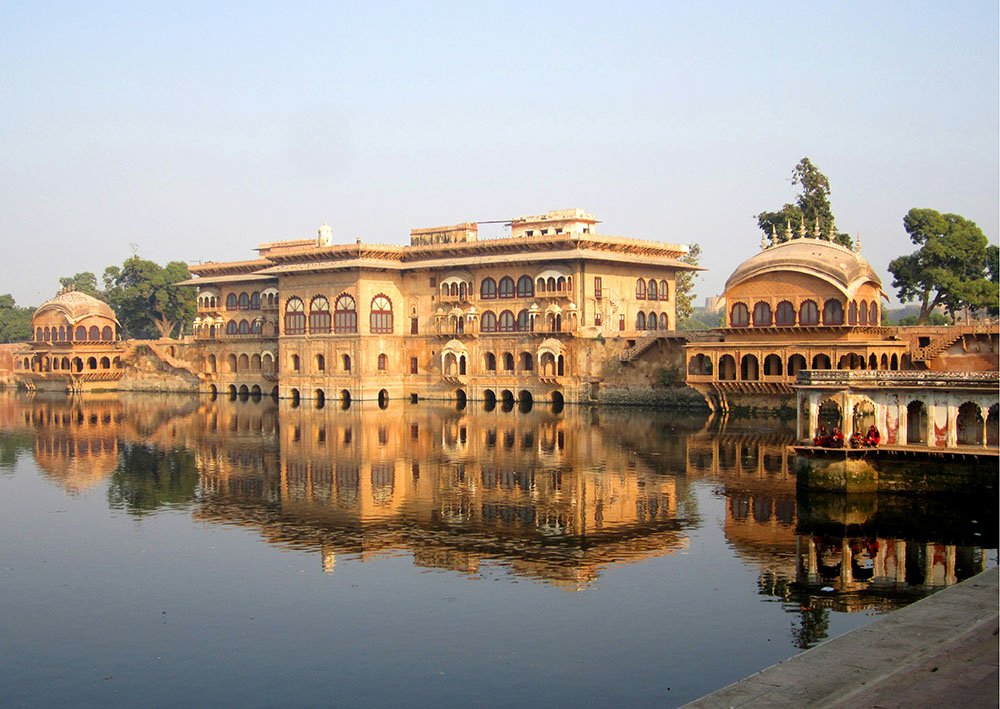
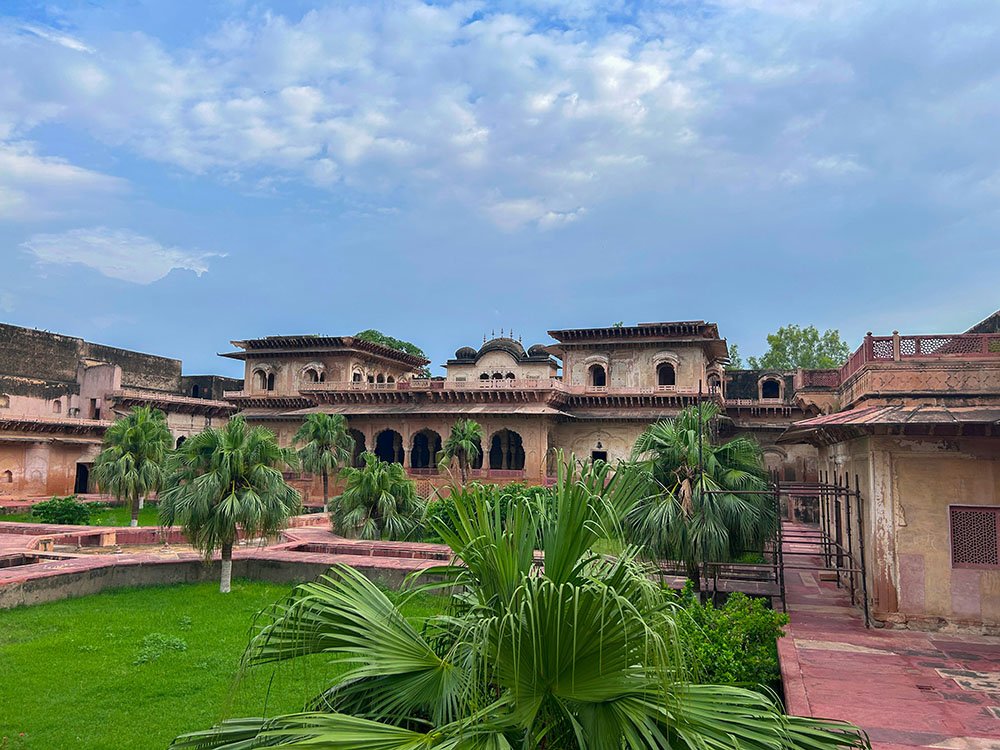
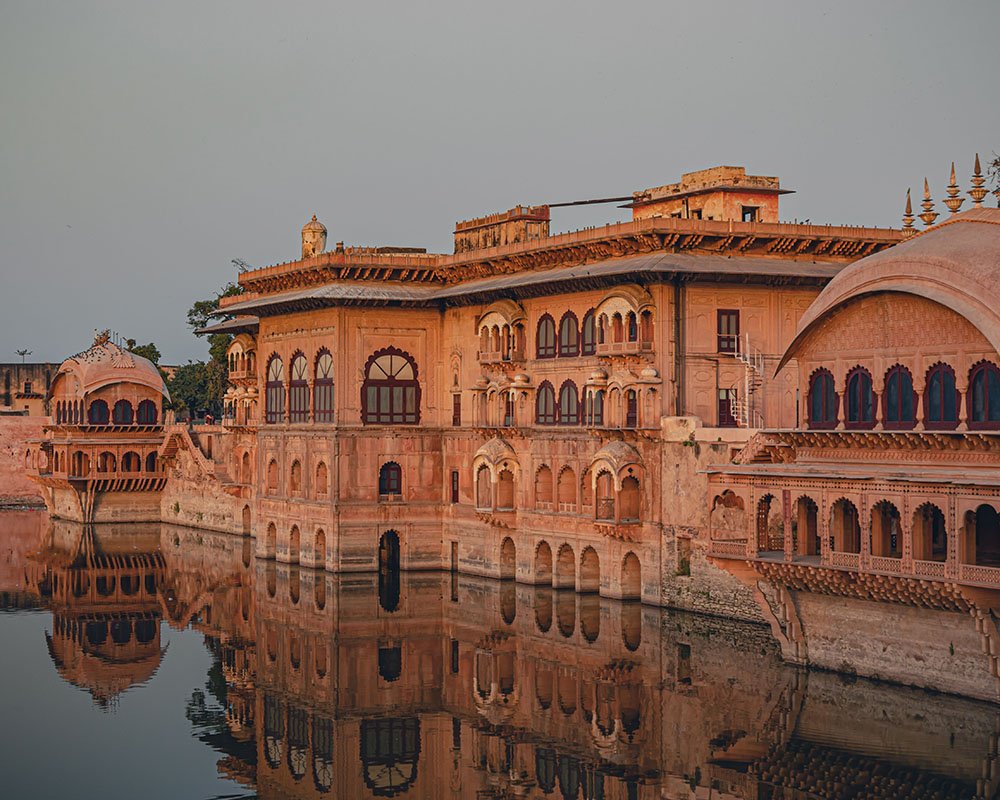
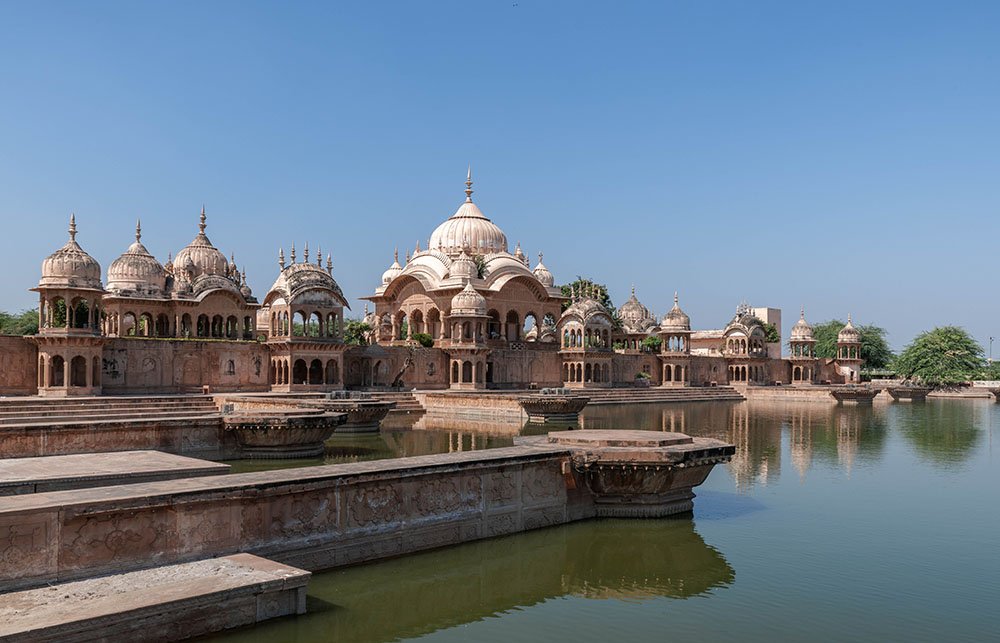
Deeg Palace, built by the Jat rulers of Bharatpur, is renowned for its elaborate garden fountains and water features, historically used during royal celebrations to create dramatic cascading water displays across the palace's ornamental gardens. The palace's Gopal Bhawan, positioned to reflect in a large ornamental tank, is considered one of the finest examples of Jat architectural patronage, blending Mughal and Rajput influences into a distinctive regional style.
Less visited than Rajasthan's more famous forts and palaces, Deeg offers a quieter, more contemplative heritage experience, its combination of architecture and elaborate garden engineering giving visitors a different perspective on Rajasthani royal patronage beyond the state's more militarily focused forts.
Deeg became an important centre under Maharaja Badan Singh, founder of the Bharatpur Jat state, who selected the town as a stronghold and royal residence. Construction of the palace complex began in the 18th century and was later expanded and developed under his son, Maharaja Suraj Mal.
The palace functioned as a summer retreat and fortified royal residence for the rulers of Bharatpur. Its architecture demonstrates a distinctive combination of Mughal garden planning and Rajput palace design, while its extensive fountains, reservoirs and water channels demonstrate sophisticated hydraulic engineering. The complex is now preserved as an important heritage monument of Rajasthan.
October to March.
By Air: The nearest major airport is Agra Airport, approximately 65–70 km away. Jaipur International Airport is another option for travellers, though considerably farther.
By Train: Bharatpur Junction is the nearest major railway station, around 32 km from Deeg. From Bharatpur, taxis and buses are available.
By Road: Deeg is well connected by road with Bharatpur, Mathura, Agra and Delhi. Taxis, buses and private vehicles can be used to reach the palace.
No reviews yet — be the first.
Sign in to leave a review — reviews are posted under your account name.