

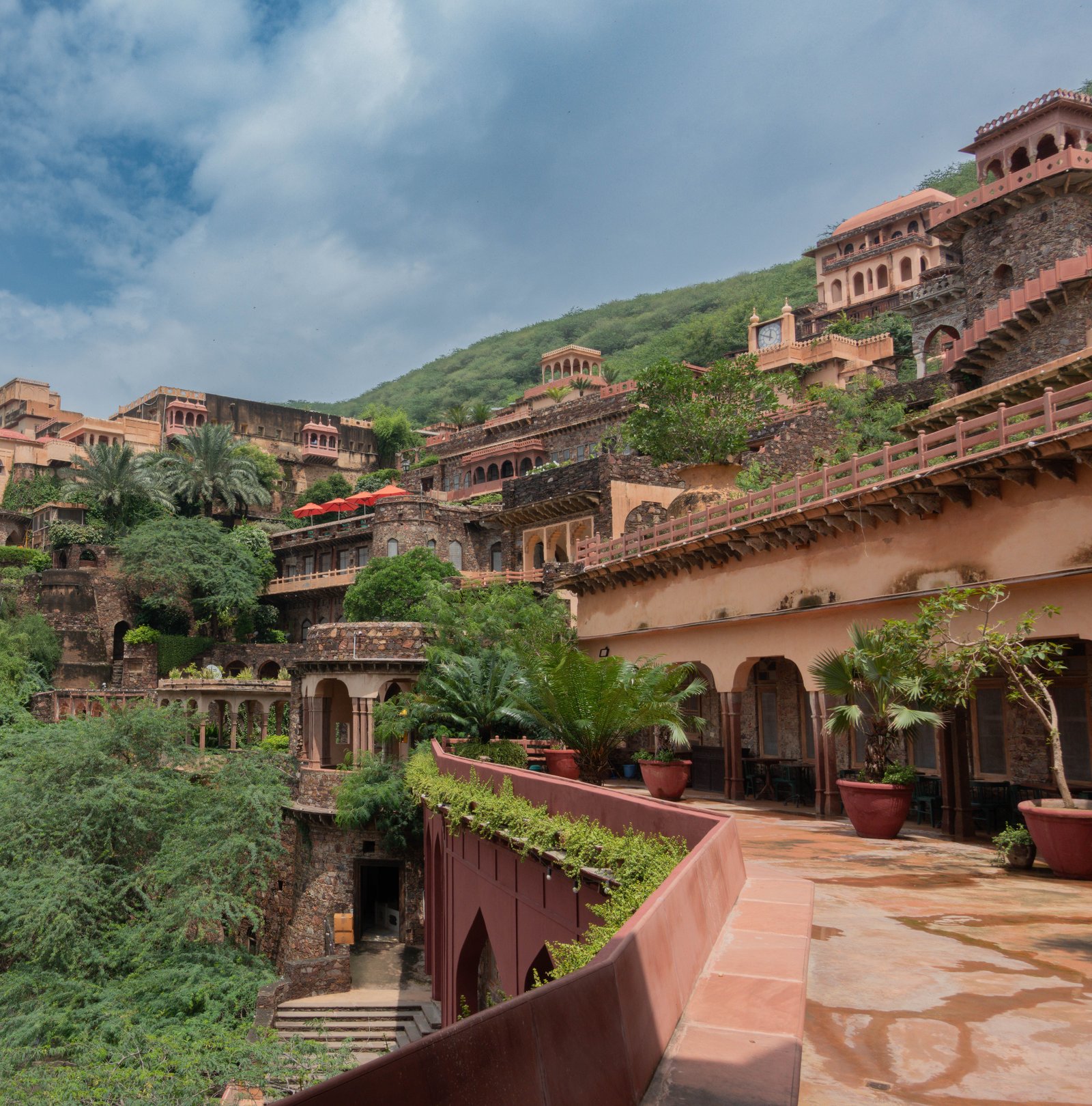
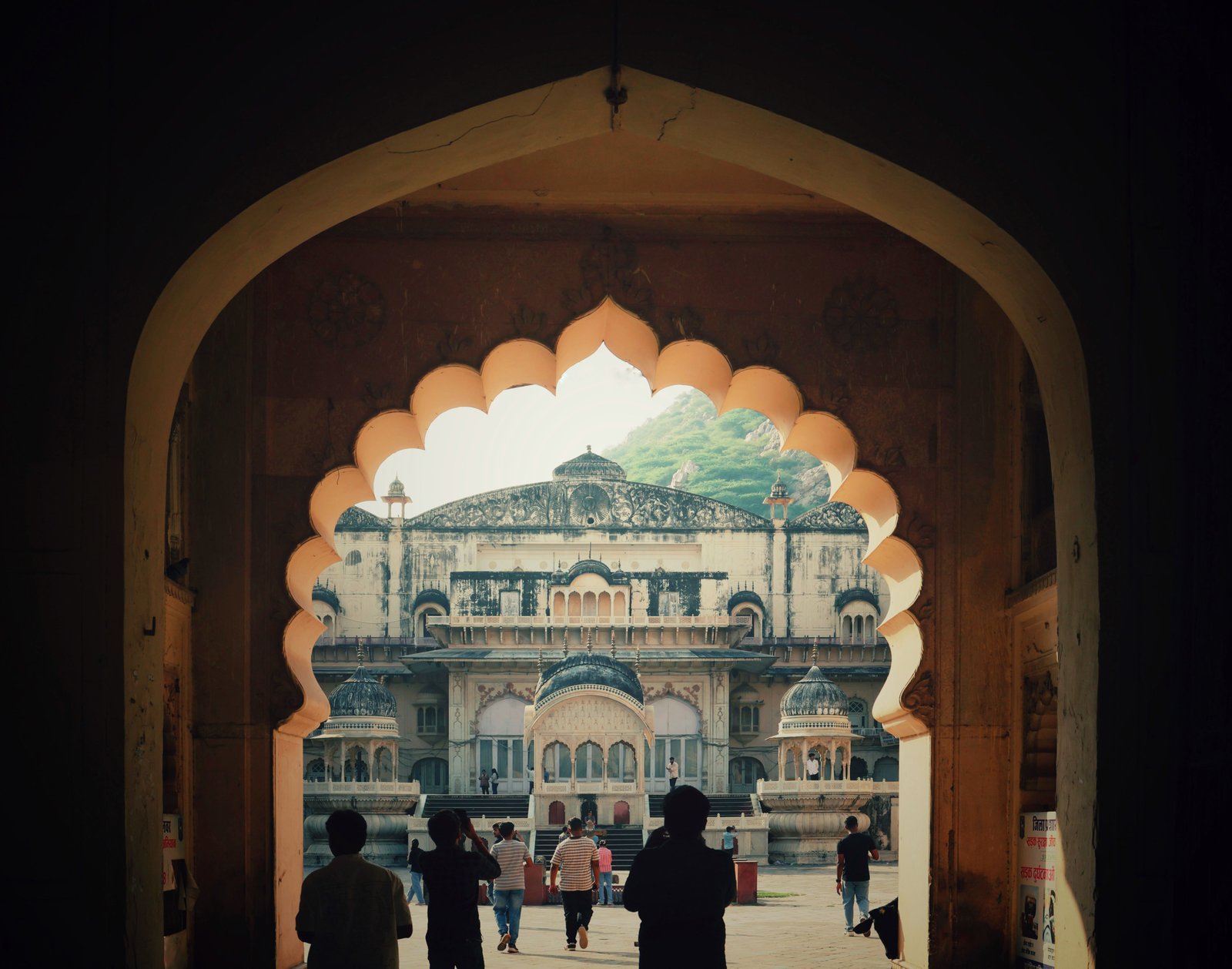
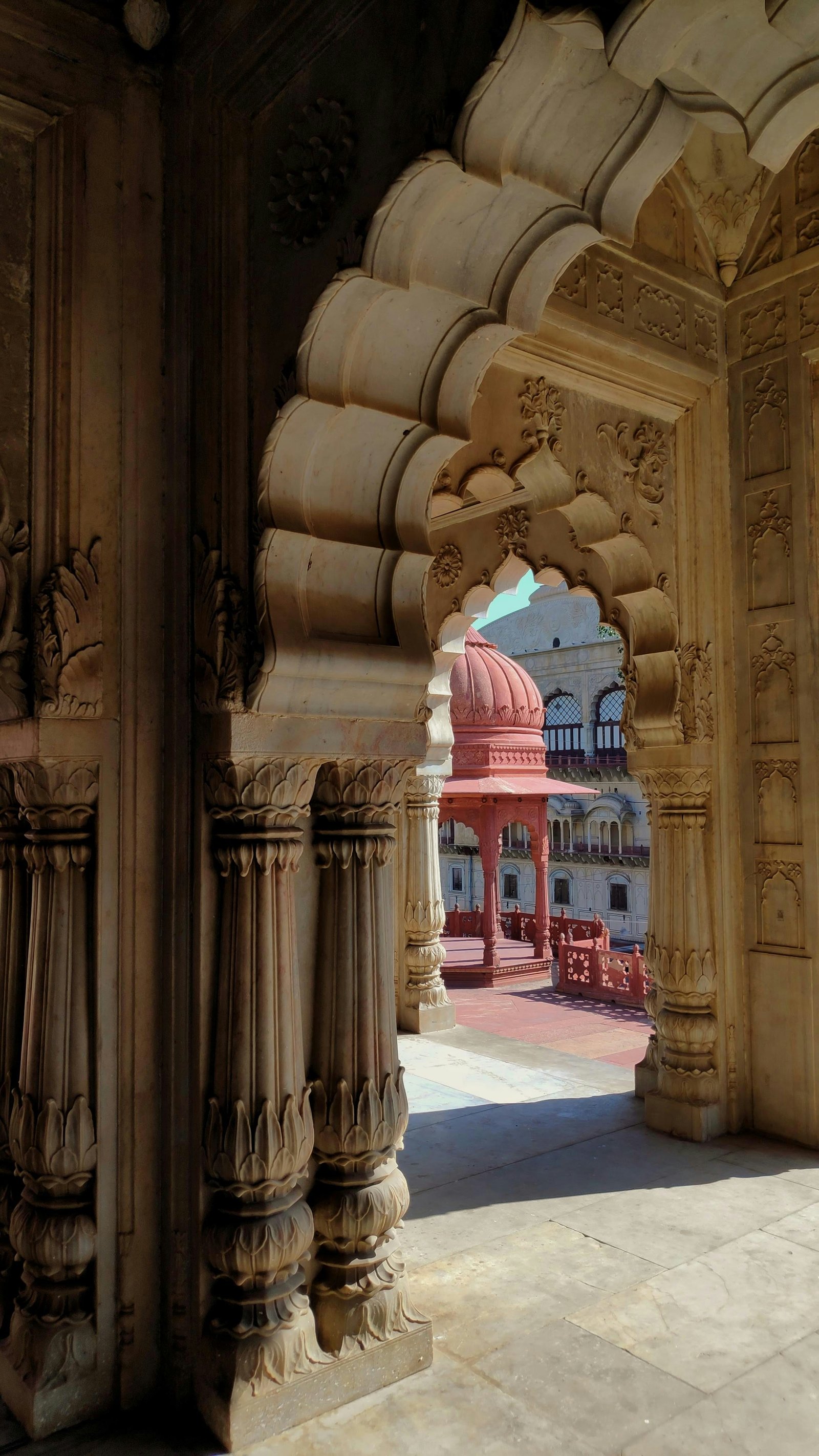
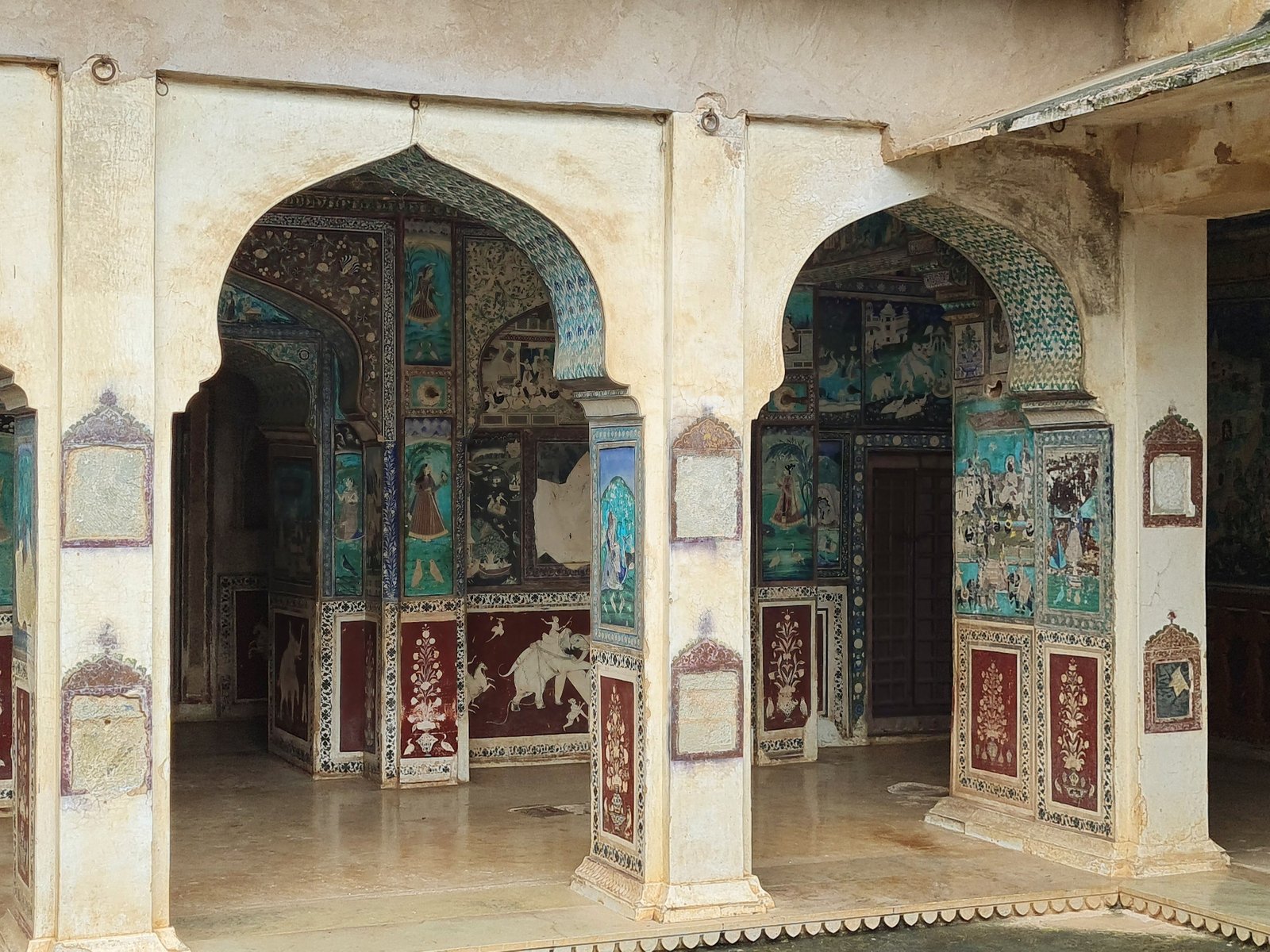
Alwar, a former princely state capital, retains a significant City Palace and the imposing Bala Quila fort overlooking the town, alongside its role as gateway to the nearby Sariska Tiger Reserve. The palace's museum houses a notable collection of royal artefacts, weaponry and manuscripts, though Alwar receives considerably fewer visitors than Rajasthan's more prominent heritage cities.
As one of the closer major heritage towns to Delhi, Alwar offers a useful, less crowded alternative or addition to the standard Golden Triangle circuit, and its combination of palace heritage and proximity to Sariska's wildlife gives visitors a practical way to combine culture and nature within a single, relatively compact itinerary.
Alwar has a long and varied history and was known by different names in different periods. The modern princely state of Alwar was established in 1770 by Rao Pratap Singh, a Kachwaha Rajput ruler. He consolidated several territories in the region and established Alwar as an important political centre.
The city's strategic position in the Aravalli region made it important to several ruling powers, including the Rajputs, Mughals and Marathas. The rulers of Alwar developed impressive structures such as Bala Quila and the City Palace, while the region's forests and hills also became associated with royal hunting grounds. Alwar later became a princely state under British paramountcy and joined Rajasthan after Indian independence.
October to March.
By Air: The nearest major airport is Indira Gandhi International Airport in Delhi, approximately 150–160 km from Alwar. Jaipur International Airport is another option.
By Train: Alwar Junction is the city's main railway station and has good connections with Delhi, Jaipur, Mumbai and other major cities.
By Road: Alwar is well connected by road with Delhi, Jaipur, Bharatpur and other cities in Rajasthan. Buses, taxis and private vehicles are readily available.
No reviews yet — be the first.
Sign in to leave a review — reviews are posted under your account name.